Facilitating deep learning in Fortran with FTorch

Principal Research Software Engineer
ICCS - University of Cambridge
Senior Research Software Engineer
ICCS - University of Cambridge
2026-07-08
Precursors
Slides and Materials
To access links or follow on your own device these slides can be found at:
joewallwork.com/pwp/slides/ftorch/2026-07-08_DKRZ-Seminar
Licensing
Except where otherwise noted, these presentation materials are licensed under the Creative Commons Attribution-NonCommercial 4.0 International (CC BY-NC 4.0) License.

Vectors and icons by SVG Repo under CC0(1.0) or FontAwesome under SIL OFL 1.1
Weather and Climate Models
Large, complex, many-part systems.
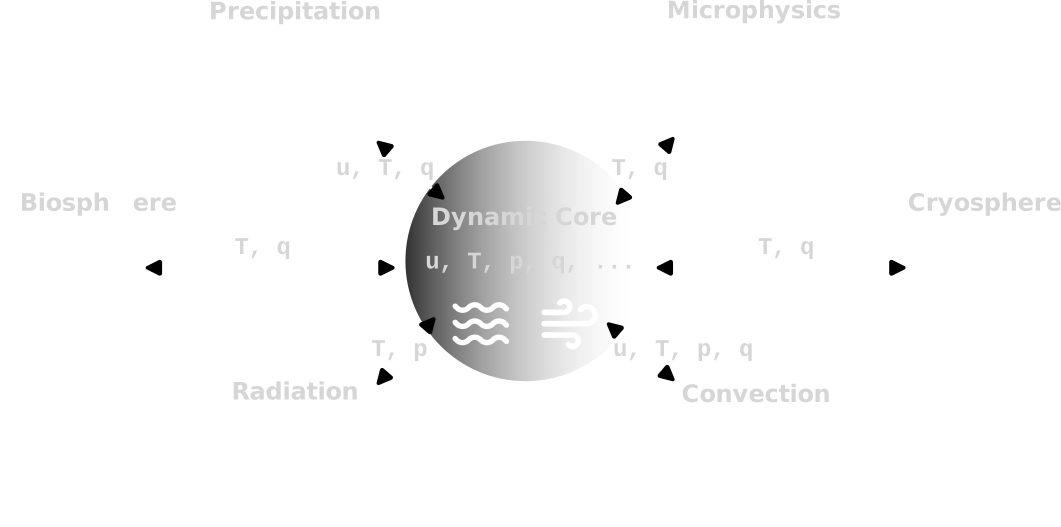
Hybrid Modelling
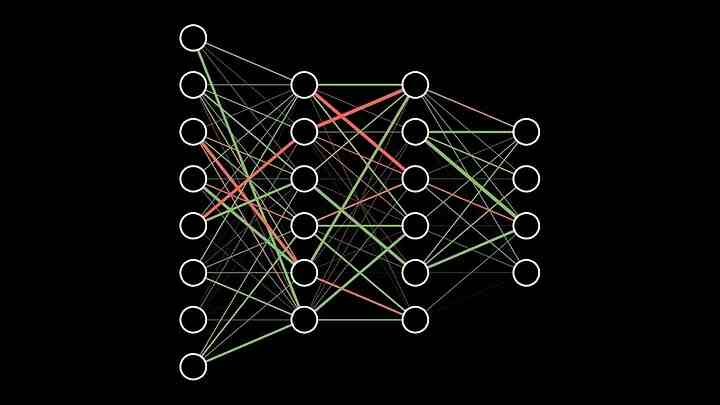
Neural Net by 3Blue1Brown under fair dealing.
Pikachu © The Pokemon Company, used under fair dealing.
Language interoperation
Many large scientific models are written in Fortran (or C, or C++).
Much deep learning is conducted in Python.











Mathematical Bridge by cmglee used under CC BY-SA 3.0
PyTorch, the PyTorch logo and any related marks are trademarks of The Linux Foundation.”
TensorFlow, the TensorFlow logo and any related marks are trademarks of Google Inc.
Approach 1: Transfer data



Python
env
Python
runtime
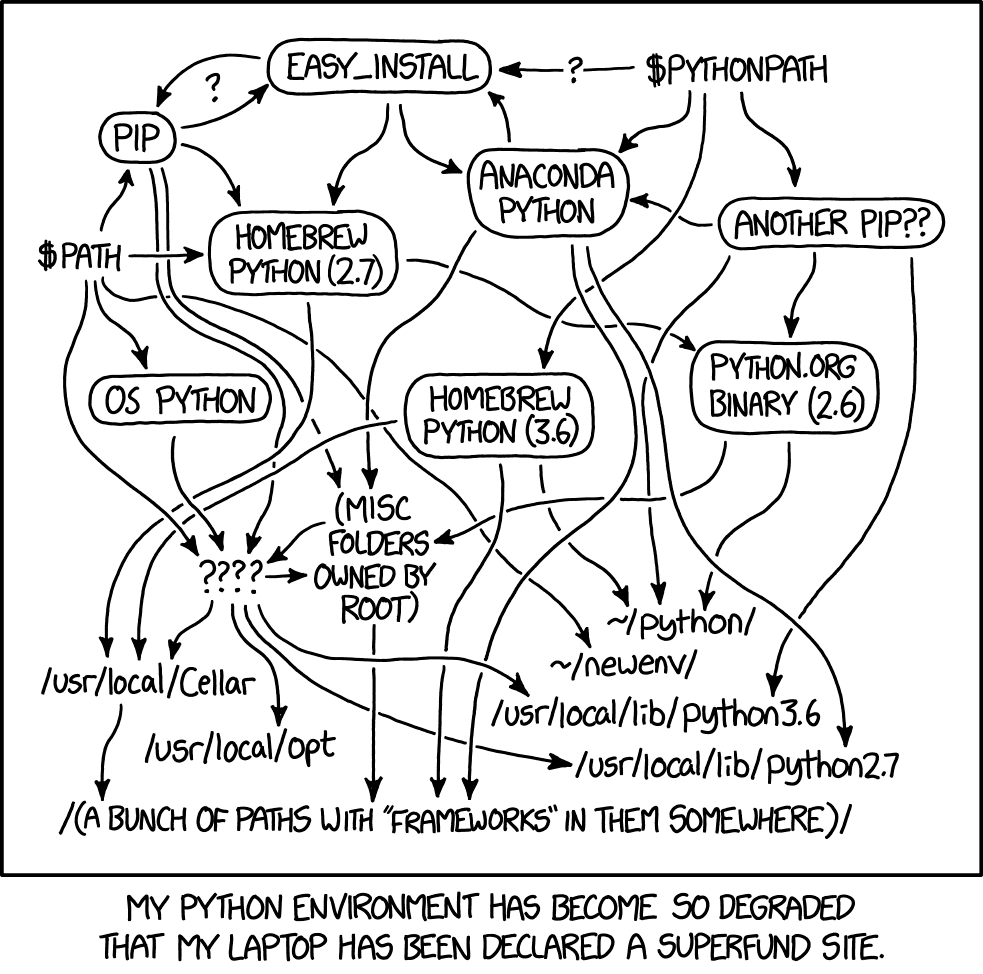
xkcd #1987 by Randall Munroe, used under CC BY-NC 2.5
High-level comparison
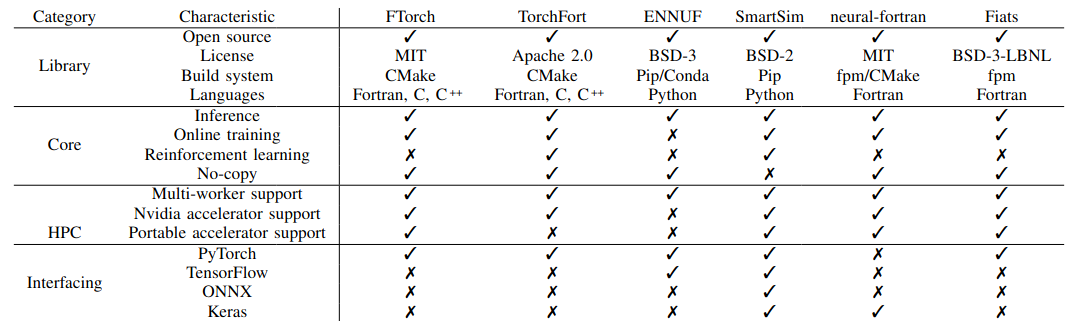
Table taken from a draft review paper currently in development in collaboration between maintainers of the six packages.
The paper will guide the reader towards the best package for their use case.
Efficiency
We consider 2 types:
Computational




Developer



In research both have an effect on ‘time-to-science’.
Especially when extensive research software support is unavailable.
Highlights - Computation
- Indexing issues and associated reshape1 avoided with Torch strided accessor.
- No-copy access in memory (on CPU).
Find it on :
Model - Saving from Python
import torch
import torchvision

# Load pre-trained model and put in eval mode
model = torchvision.models.resnet18(weights="IMAGENET1K_V1")
model.eval()

# Create dummmy input
dummy_input = torch.ones(1, 3, 224, 224)

# Save to TorchScript
if trace:
    ts_model = torch.jit.trace(model, dummy_input)
elif script:
    ts_model = torch.jit.script(model)
frozen_model = torch.jit.freeze(ts_model)
frozen_model.save("/path/to/saved_model.pt")
TorchScript
- Statically typed subset of Python
- Read by the Torch C++ interface (or any Torch API)
- Produces intermediate representation/graph of NN, including weights and biases
tracefor simple models,scriptmore generally
Fortran
 use ftorch

 implicit none

 real, dimension(5), target :: in_data, out_data  ! Fortran data structures

 type(torch_tensor), dimension(1) :: input_tensors, output_tensors  ! Set up Torch data structures
 type(torch_model) :: torch_net
 integer, dimension(1) :: tensor_layout = [1]

 in_data = ...  ! Prepare data in Fortran

 ! Create Torch input/output tensors from the Fortran arrays
 call torch_tensor_from_array(input_tensors(1), in_data, torch_kCPU)
 call torch_tensor_from_array(output_tensors(1), out_data, torch_kCPU)

 call torch_model_load(torch_net, 'path/to/saved/model.pt', torch_kCPU)  ! Load ML model
 call torch_model_forward(torch_net, input_tensors, output_tensors)      ! Infer

 call further_code(out_data)  ! Use output data in Fortran immediately

 ! Cleanup
call torch_delete(model)
call torch_delete(in_tensors)
call torch_delete(out_tensor)
GPU Acceleration
Cast Tensors to GPU in Fortran:
! Load in from TorchScript
call torch_model_load(torch_net, 'path/to/saved/model.pt', torch_kCUDA, device_index=0)

! Cast Fortran data to Tensors
call torch_tensor_from_array(in_tensor(1), in_data, torch_kCUDA, device_index=0)
call torch_tensor_from_array(out_tensor(1), out_data, torch_kCPU)
FTorch supports NVIDIA CUDA, AMD HIP, Intel XPU, and AppleSilicon MPS hardwares.
Use of multiple devices supported.
Effective HPC simulation requires MPI_Gather() for efficient data transfer.
Publication & tutorials
FTorch is published in JOSS!
Atkinson et al. (2025)
FTorch: a library for coupling PyTorch models to Fortran.
Journal of Open Source Software, 10(107), 7602,
doi.org/10.21105/joss.07602
Please cite if you use FTorch!

In addition to the comprehensive examples in the FTorch repository we provide an online workshop at /Cambridge-ICCS/FTorch-workshop
ICON
- Icosahedral Nonhydrostatic Weather and Climate Model
- Developed by DKRZ
- Used by the DWD and Meteo-Swiss
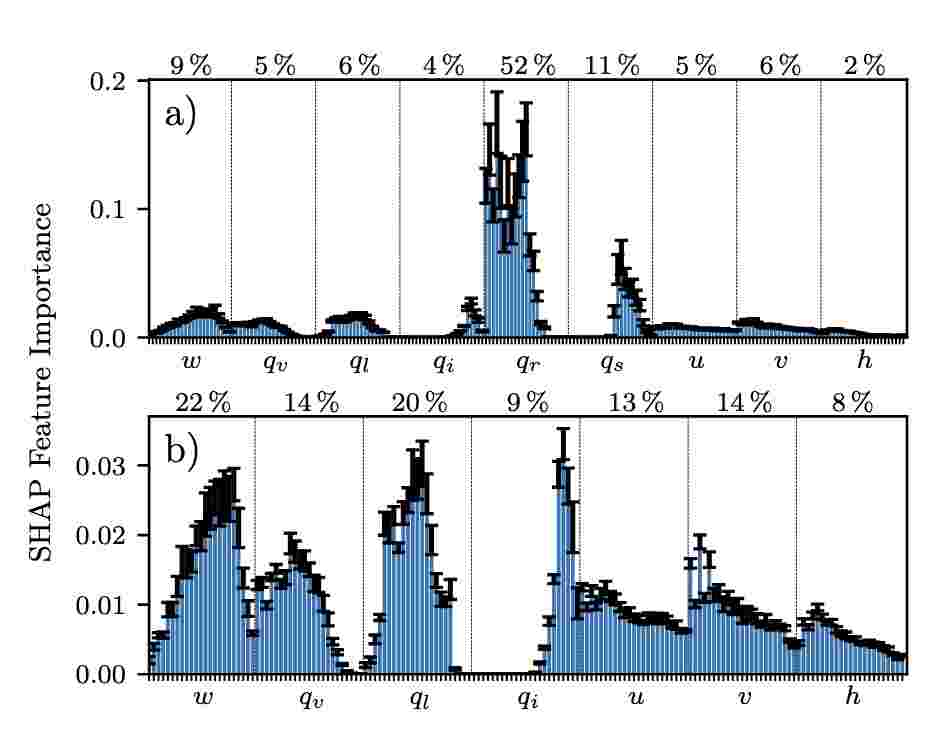
- Interpretable multiscale Machine Learning-Based Parameterizations of Convection for ICON (Heuer et al. 2023)1
- Train U-Net convection scheme on high-res simulation
- Deploy in ICON via FTorch coupling
- Evaluate physical realism (causality) using SHAP values
- Online stability improved when non-causal relations are eliminated from the net
ICON
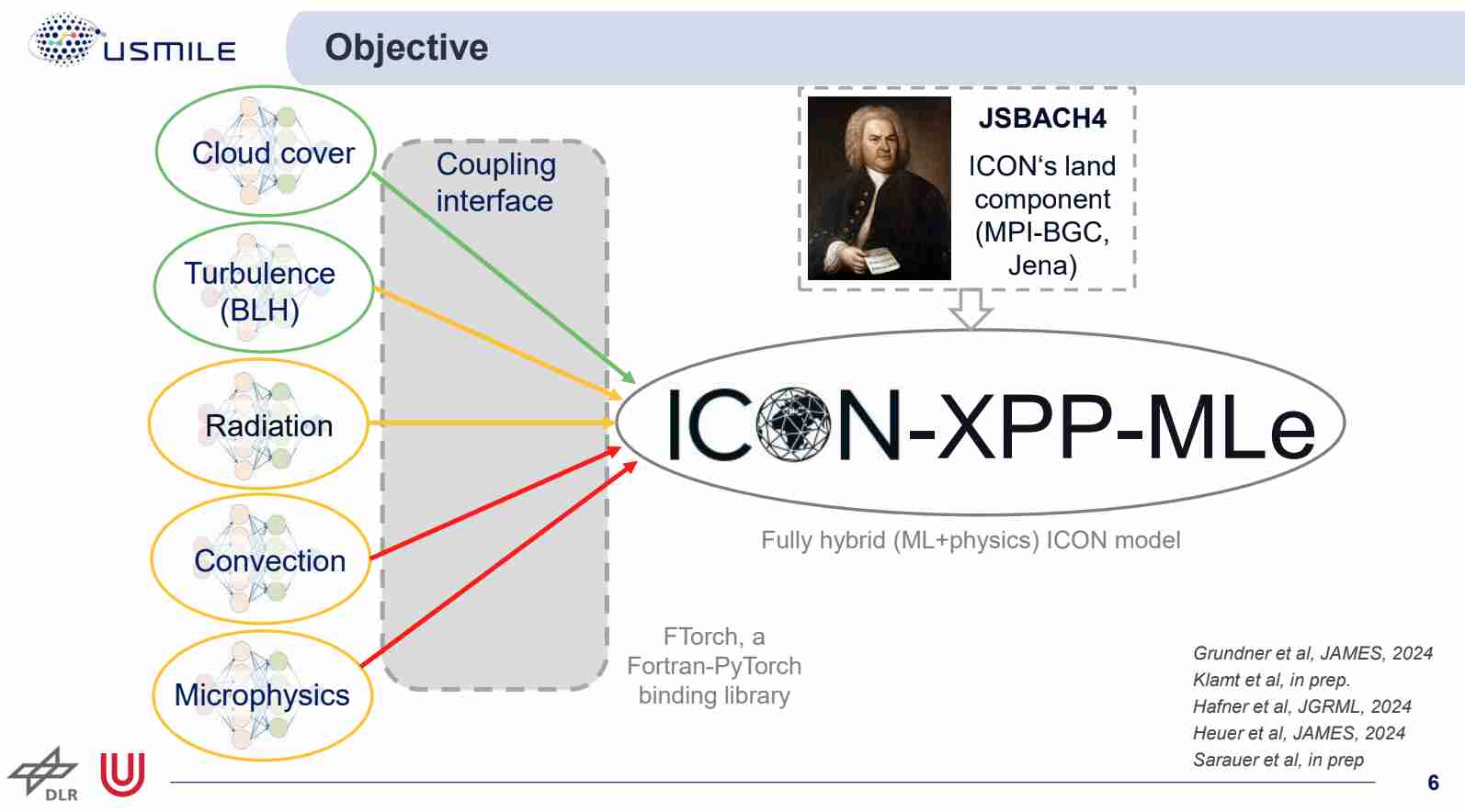
Slide from the Cambridge ML Coupling Workshop courtesy of Julien Savre
SuperdropNet
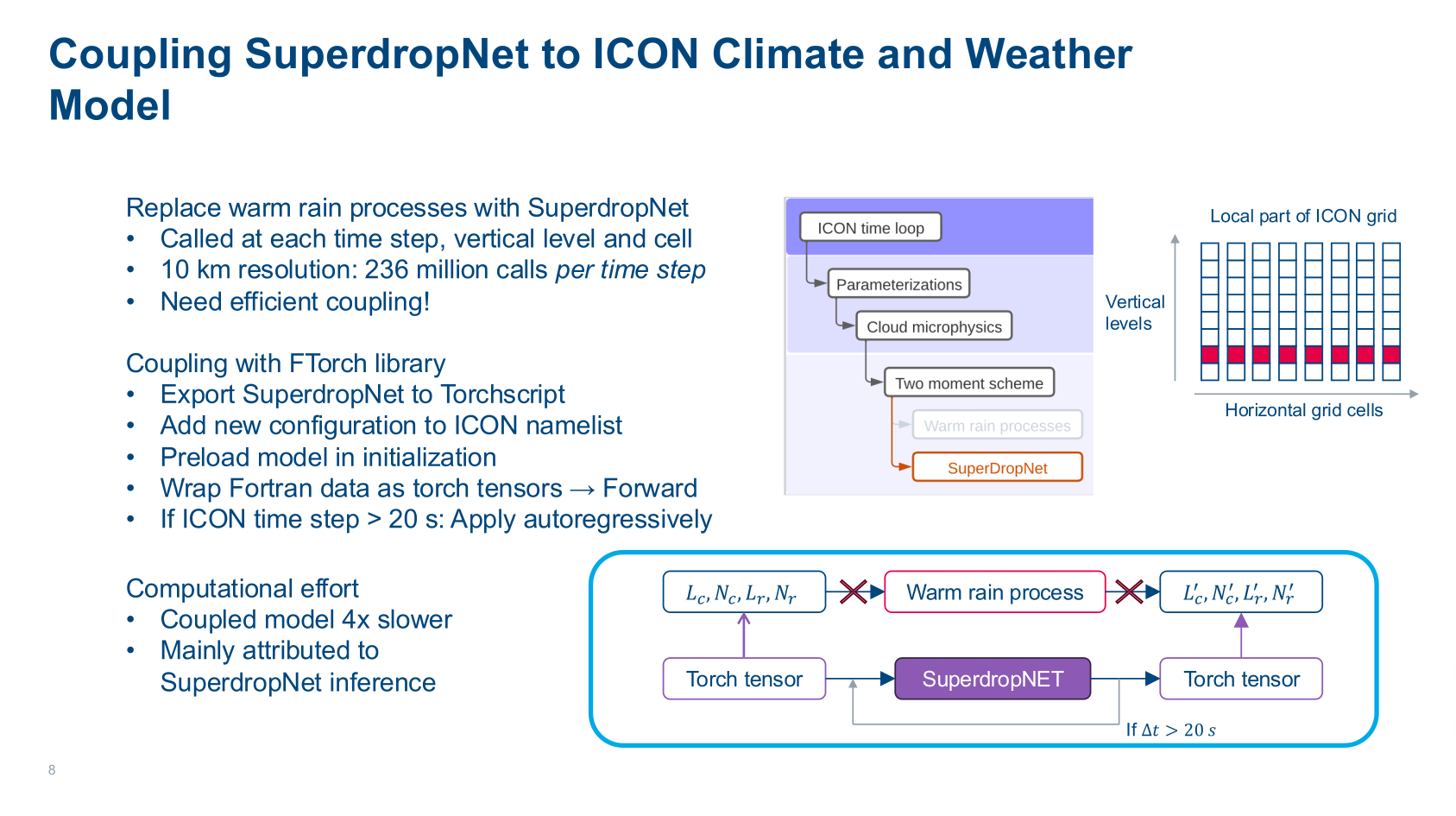
Slide from the Cambridge ML Coupling Workshop courtesy of Caroline Arnold and Paul Keil
CESM coupling
- The Community Earth System Model
- Part of CMIP (Coupled Model Intercomparison Project)
- Make it easy for users
- FTorch integrated into the build system (CIME)
libtorchis included on the software stack on Derecho- Improves reproducibility

Derecho by NCAR
ML Coupling Workshop
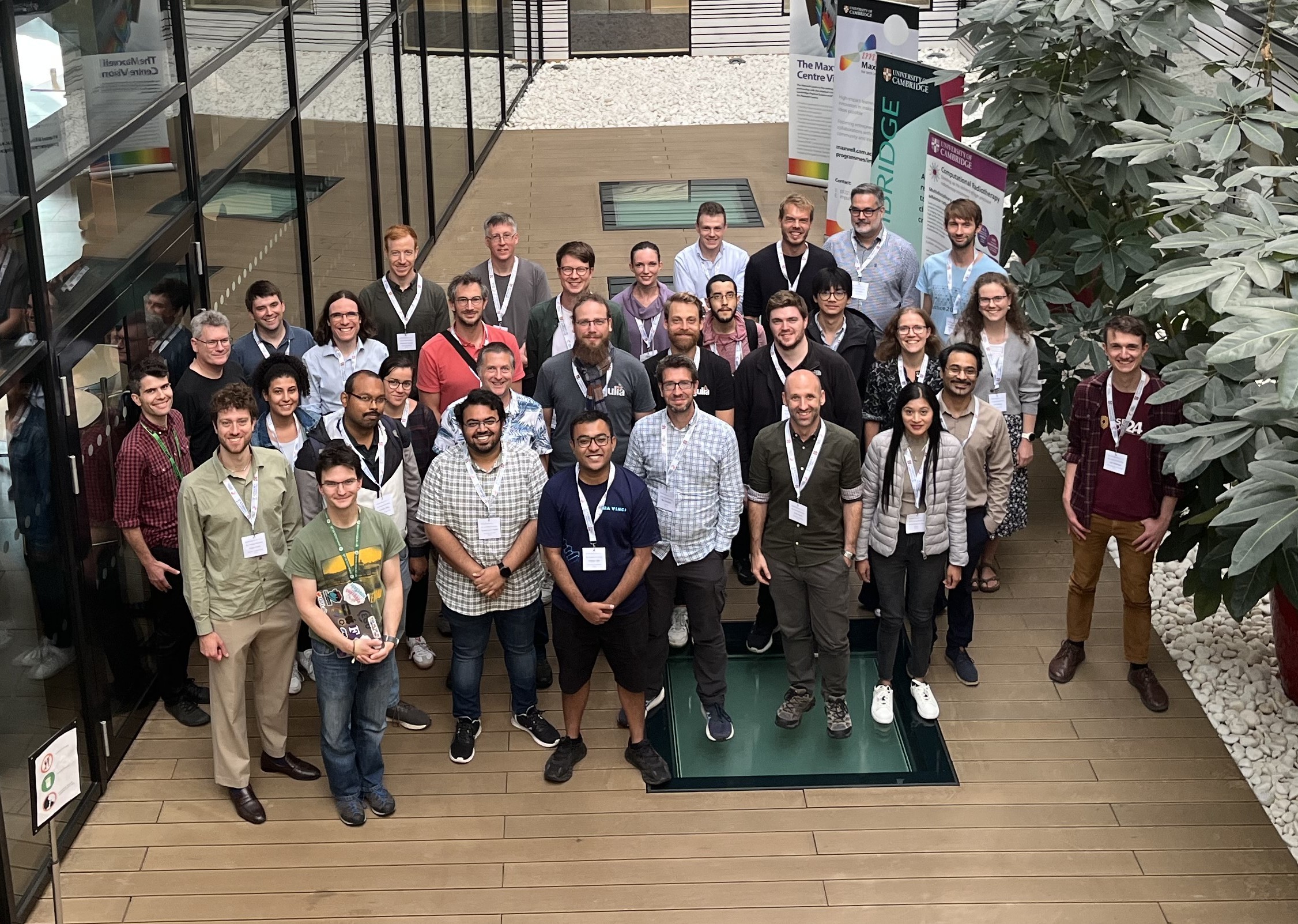
ICCS ran a two-day ML Coupling Workshop in Cambridge, September 2025, bringing together researchers, RSEs, and modelling centres working on hybrid modelling challenges.
- Shared recent advances and expertise in coupling ML to large-scale scientific codes
- Discussion sessions on key challenges and best practices
- Summary blog post: Accelerate-C2D3
Fortran-Enzyme
Automatic differentiation for Fortran, via Enzyme
Compiler plugin that differentiates LLVM IR, computing gradients of existing code without source-level rewriting. Currently supports C, C++, Julia, Rust. ICCS are working to add Fortran.
6-month (March-Aug) ICCS project.
Aiming to provide Fortran bindings for Enzyme, tests, and documentation and to demonstrate differentiable Fortran on a materials science case study.
Eventual goal is to provide a simple tool for differentiable modelling of existing Fortran code.

Thanks for Listening
Get in touch:
Thanks to Tom Meltzer, Elliott Kasoar, Niccolò Zanotti
and the rest of the FTorch team.
The ICCS received support from 
FTorch has been supported by 

Online training - Optimizers
torch_optimderived type wrapping PyTorch optimizerstorch_optim%zero_grad— zeroes gradients at start of each steptorch_optim%step— takes one optimizer iteration
- Optimizers exposed:
SGD,Adam,AdamW - Others can be added - requests/PRs welcome
Testing optimisation of a single tensor against PyTorch:

Online training - Model training
- Full Fortran training loop now demonstrated in worked example 11
- Load a TorchScript model, train using an optimizer, and run inference
torch_model_parametersinterface added to access model weights- Loss curves comparable to equivalent PyTorch training.
Training SimpleNet in Fortran:

Overhaul of pt2ts
utilsis nowftorch_utils, installable viapippt2tsis now a command-line scriptNo longer required to copy and modify script by hand.
provide model definition file, the class name, and where to save:
pt2ts SimpleNet --model_definition_file simplenet.py \
                --output_model_file model.pt
